


 Факультет соціології

Курс поглиблених методів: Експериментальні методи в опитуваннях
Літній семестр 2026
|
|
|
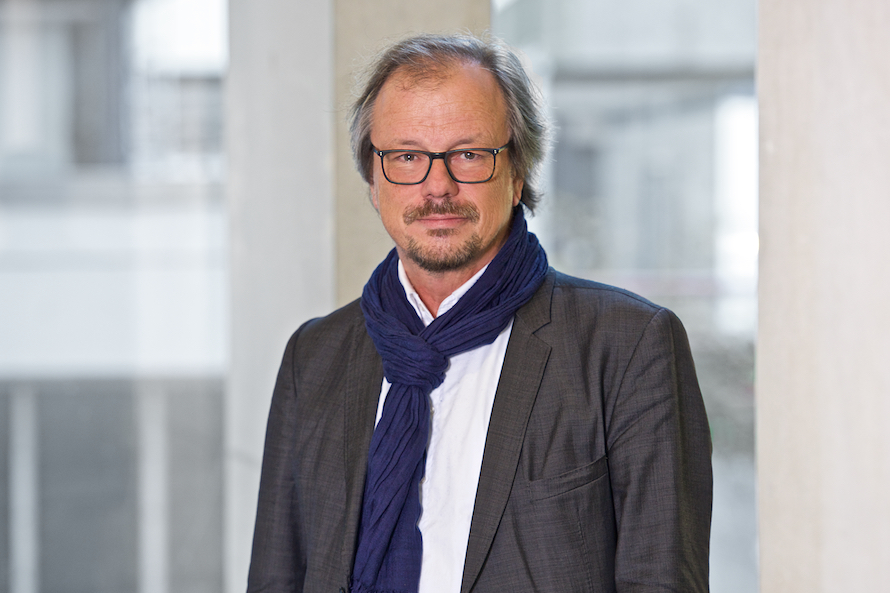

Викладачі: Prof. Dr. Thomas Hinz та Dr. Yeliena Gohli
(Університет Констанц)
Курс викладатиметься у форматі спільних Zoom-занять Університету Констанц і Київського національного університету імені Тараса Шевченка. Кафедри обох університетів співпрацюють у межах German-Ukrainian University Network (DUHN) за підтримки Німецької служби академічних обмінів (DAAD).
Заняття відбуватимуться середами вранці у такі дати:
- 8 квітня (1 і 2),
- 22 квітня (3 і 4),
- 29 квітня (5 і 6),
- 6 травня (7 і 8),
- 13 травня (9 і 10),
- 27 травня (11 і 12),
- 10 червня (13 і 14).
Час:
Німеччина: 8:15–9:45 та 10:00–11:30
Україна: 9:15–10:45 та 11:00–12:30
Реєстрація
В обох університетах відповідно до місцевих правил.
Зміст курсу
Протягом останніх десятиліть експерименти в опитуваннях викликають значний інтерес серед соціальних науковців. За умови належного дизайну вони дають змогу робити причинні висновки навіть тоді, коли респонденти походять із вибірки зручності.
Курс охоплює кілька типів експериментів в опитуваннях, зокрема information treatments, conjoint analysis та choice experiments.
Особливу увагу буде приділено факторіальному аналізу в опитуваннях (“vignette analysis”) — методу, який інтегрує багатофакторні експериментальні дизайни в опитування. Респондентам пропонується оцінювати фіктивні ситуації, об’єкти або осіб.
Учасники можуть обрати дослідницьке питання, пов’язане з їхніми власними дослідженнями, для практичних завдань. Заохочується робота в групах. Більшість практичних аналізів виконуватиметься в R.
Навчальні цілі
Учасники отримають практичне уявлення про всі етапи, необхідні для розробки експериментів в опитуваннях:
- огляд різних типів експериментів в опитуваннях
- вибір експериментального дизайну
- конструювання віньєток
- розробка та програмування анкет (для онлайн-опитувань)
- управління даними
- методи аналізу даних (зокрема багаторівневий аналіз)
Оцінювання
Обов’язкова постійна участь.
Проміжний іспит очно в Констанці та Києві (6 травня).
Робота в групі над темою за вибором (групи від двох до чотирьох студентів) і подання дослідницького звіту до кінця червня.
Кредити
3 ECTS
Основна література
Wallander, L. (2009): 25 years of factorial surveys in sociology: a review. Social Science Research 38: 505–520.
Hox, J.J./Kreft, I.G.G./Hermkens, P.L.J. (1991): The Analysis of Factorial Surveys. Sociological Methods & Research 19: 493–510.
Schachter, A./Weisshaar, K. (2025): Survey Experiments in Sociology. Annual Review of Sociology 51: 149–169.
Sniderman, Paul M. (2018): Some Advances in the Design of Survey Experiments. Annual Review of Political Science21: 259–275.
Контакти
Yeliena Gohli — yeliena.kovalska@uni.kn
Thomas Hinz — thomas.hinz@uni.kn
Advanced Methods Course: Experimental Methods in Surveys
Summer Term 2026
Teaching team:
Prof. Dr. Thomas Hinz and Dr. Yeliena Gohli (University of Konstanz)
This course will be taught in joint Zoom sessions of the University of Konstanz and Taras Shevchenko National University of Kyiv. The departments of both universities cooperate within the German-Ukrainian University Network (DUHN), sponsored by the German Academic Exchange Service (DAAD).
Course sessions are scheduled for Wednesday mornings on the following dates:
- April 8 (1 and 2),
- April 22 (3 and 4),
- April 29 (5 and 6),
- May 6 (7 and 8),
- May 13 (9 and 10),
- May 27 (11 and 12),
- June 10 (13 and 14).
Time:
Germany: 8:15–9:45 am and 10:00–11:30 am
Ukraine: 9:15–10:45 am and 11:00 am–12:30 pm
Registration
At both universities according to local regulations.
Content
Over the last decades, survey experiments have gained enormous interest among social scientists. If set up properly, survey experiments allow causal conclusions even if respondents stem from a convenience sample. The course will cover several types of survey experiments, such as information treatments, conjoint analysis, and choice experiments.
A specific focus will be on factorial survey analysis (“vignette analysis”), a method that integrates multifactorial experimental set-ups into surveys. Respondents are asked to evaluate fictitious situations, objects, or persons.
Participants may select a research question related to their own research for practical exercises. Working in groups is encouraged. Most practical analyses will be done in R.
Learning Goals
Participants will gain practical insights into all steps necessary to design survey experiments:
- overview of different types of survey experiments
- selection of an experimental design
- construction of vignettes
- drafting and programming of questionnaires (for online surveys)
- data management
- data analysis techniques (such as multilevel analyses)
Grading
Continuous participation is required.
Mid-term exam in person in Konstanz and Kyiv (May 6).
Working group on a topic of interest (groups of two to four students) and submission of a research report by the end of June.
Credits
3 ECTS
Basic Reading
Wallander, L. (2009): 25 years of factorial surveys in sociology: a review. Social Science Research 38: 505–520.
Hox, J.J./Kreft, I.G.G./Hermkens, P.L.J. (1991): The Analysis of Factorial Surveys. Sociological Methods & Research 19: 493–510.
Schachter, A./Weisshaar, K. (2025): Survey Experiments in Sociology. Annual Review of Sociology 51: 149–169.
Sniderman, Paul M. (2018): Some Advances in the Design of Survey Experiments. Annual Review of Political Science21: 259–275.
Contact
Yeliena Gohli — yeliena.kovalska@uni.kn
Thomas Hinz — thomas.hinz@uni.kn